
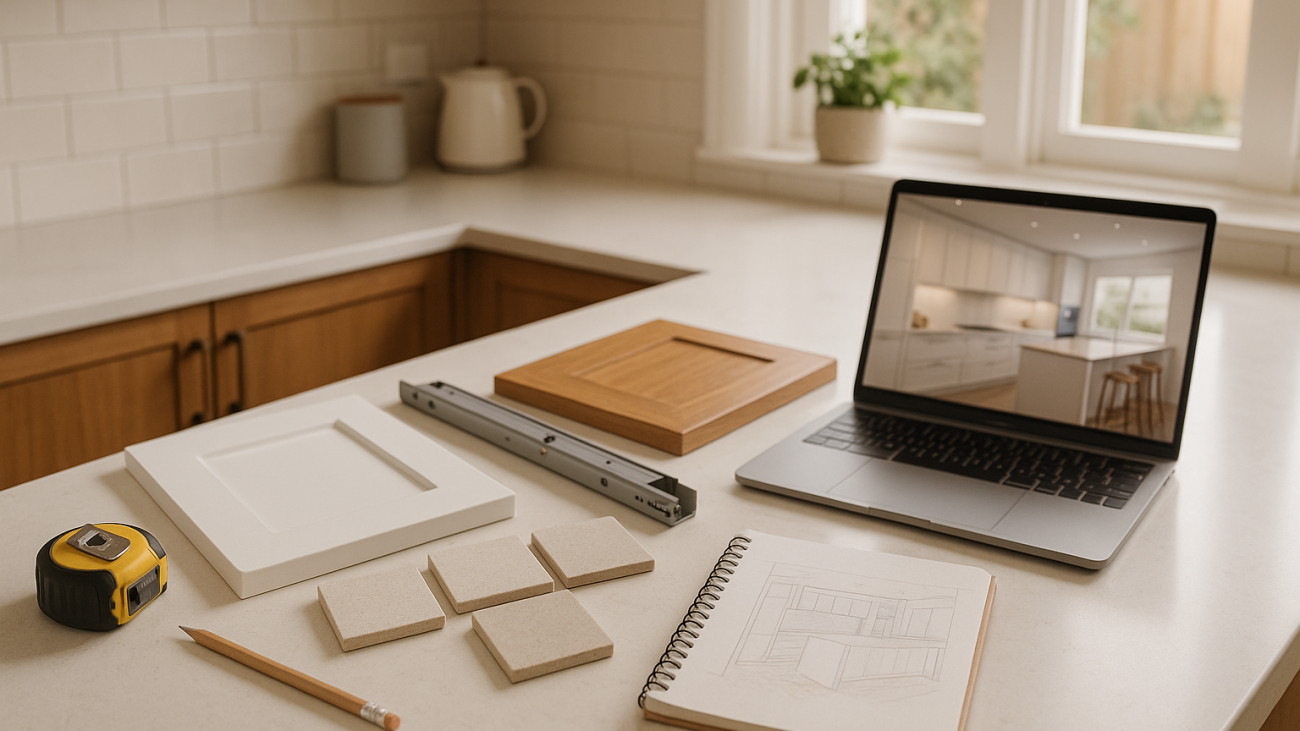
Do it yourself Kitchen renovation: what you can DIY, what you shouldn’t, and how to get a pro finish
A do it yourself kitchen renovation sounds simple until you’re standing in a half-demolished room, trying to work out where the bins go, how the dishwasher opens, and why the walls aren’t straight.
If you want a DIY kitchen that looks intentional (not pieced together), you need two things:
- A practical kitchen design that suits how you cook and move
- A clear line between jobs you can do yourself and jobs that need licensed trades
This guide is written for Gold Coast and South East QLD homeowners who want solid results from their kitchen DIY project. It’s also for anyone asking: can I renovate my kitchen myself or can I fit a kitchen myself without regrets.
Start with the non-negotiables: layout, clearances, and daily workflow
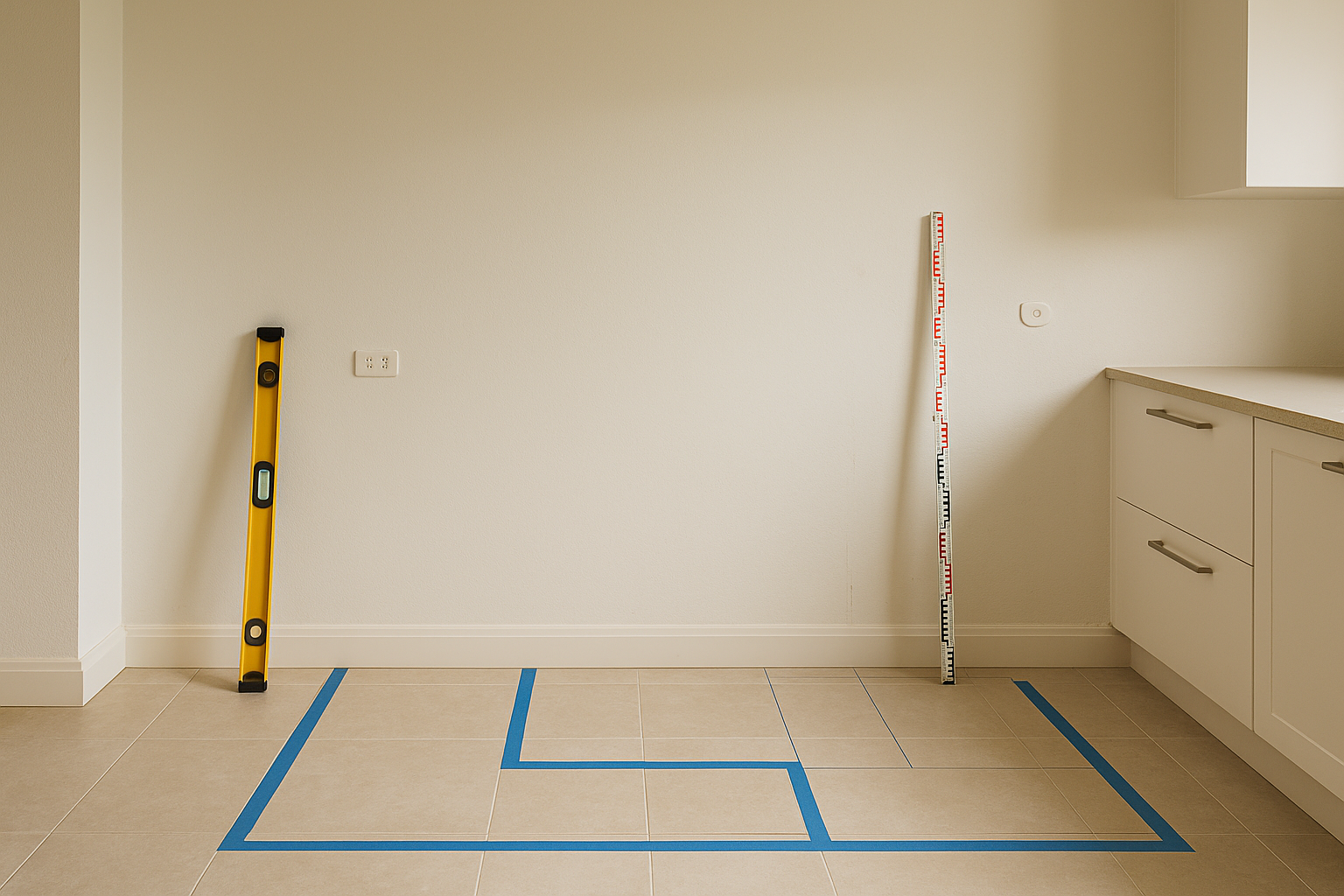
The finishes get all the attention, but layout drives how your kitchen feels every day.
Plan your kitchen around four zones:
- Store: fridge, pantry, everyday groceries
- Prep: clear bench space near the sink and bins
- Cook: cooktop, oven, pots and utensils
- Clean: sink, dishwasher, drying space
Then check the clearances that cause the most DIY headaches:
- Walkways: leave enough room for two people to pass without bumping hips.
- Appliance doors: dishwasher and oven doors need space to open without blocking the main path.
- Corner conflicts: drawers and door handles can clash in tight corners.
- Power points: small appliances need usable, safe locations — not hidden behind the toaster.
If you want more kitchen design ideas before you lock anything in, read: modern kitchen designs and ideas.
The honest answer: what you can DIY vs what needs a pro
A strong DIY kitchen renovation uses your time where it counts and avoids risk where it doesn’t.
DIY-friendly tasks (good value if you’re careful)
These jobs suit confident homeowners who like planning and can follow set-out steps:
- Removing old cabinetry and appliances (with services safely disconnected)
- Patch and paint (walls, ceilings, doors)
- Replacing handles and knobs
- Installing internal storage accessories (pull-out bins, cutlery inserts)
- Assembling flat-pack units
- Basic tiling prep work (surface prep is the difference between “fine” and “failing”)
- Organising trades and timelines
A basic kitchen renovation often feels “new” just by improving lighting, storage, and surfaces.
Jobs to book in (safety, compliance, and finish)
These items are where DIY kitchens often come unstuck:
- Electrical work (licensed electrician)
- Plumbing and drainage (licensed plumber)
- Gas (licensed gas fitter)
- Stone benchtops: templating (measuring) and installation
- Structural changes: walls, beams, significant openings
- Waterproofing (where relevant)
If you’re moving the sink, cooktop, or fridge, expect extra coordination. Keeping services in the same positions is the simplest way to reduce risk and keep the project moving.
Kitchen design choices that make DIY kitchens feel “high-end” without being fussy
The best DIY kitchens share a few practical choices that hold up to daily life.
1) Choose cabinet construction and hardware you won’t fight with
Doors that sag and drawers that stick aren’t “normal”. They’re a sign the cabinet system or installation isn’t right.
Look for:
- Soft-close hinges with solid adjustment (so gaps stay even)
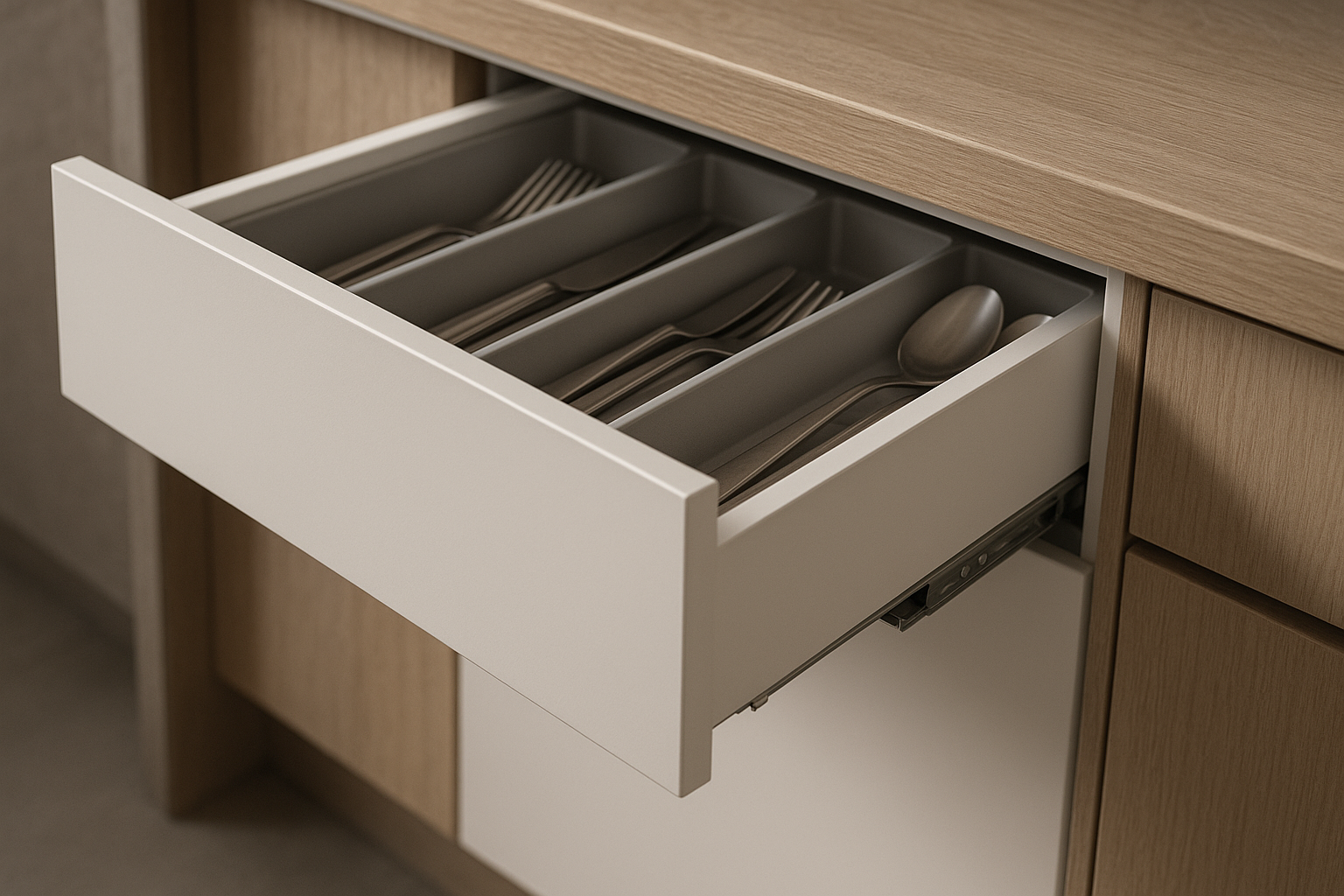
- Soft-close drawer runners suited to heavy loads (pots, plates, pantry items)
- Moisture-resistant board in wet zones (around the sink and dishwasher)
If you’re comparing diy kitchen cabinets with custom cabinetry, ask yourself one question: will this be a kitchen you use hard, every day? If yes, hardware quality matters more than door style.
2) Put storage where you actually use it
This is one of the best kitchen remodelling tips because it removes daily friction.
A simple storage plan that works:
- Bins beside the sink (waste and recycling together)
- Cutlery and prep tools in the top drawers near the main prep bench
- Plates and bowls near the dishwasher for fast unloading
- Cooking tools close to the cooktop
- Full-height pantry (cabinetry that runs to the ceiling) for bulk storage and less dust-catching on top
Small kitchens benefit from deeper drawers and fewer doors. You get better access and less clutter on the benchtop.
3) Get the benchtop decision right for your household
Your benchtop needs to suit your cleaning habits and how you treat the kitchen.
- If you cook most nights, pick a surface that handles heat, spills, and constant wiping.
- If you bake often, you’ll notice the feel and temperature of the surface more.
- If you entertain, a longer uninterrupted prep zone matters.
Stone, laminate, and timber all have a place. What matters is matching the surface to use, and measuring accurately so overhangs, joins, and appliance clearances land properly.
4) Don’t treat the splashback as an afterthought
A splashback is both a design feature and a cleaning surface. Choose it based on cooking style.
- Heavy frying and lots of spices: go smoother and easier to wipe.
- Minimal cooking: you can lean more decorative.
If you want a practical guide, see: choosing your kitchen splash back.
“Can I fit a kitchen myself?” A practical self-checklist
You can fit a kitchen yourself. The question is whether you can fit it accurately enough that it still looks good after six months.
Use this checklist before you commit:
- You can measure accurately and record everything (including diagonals).
- You can find the high point in the floor and work from it.
- You can handle heavy cabinets safely.
- You have the right tools (level, clamps, quality drill/driver, fixings for your wall type).
- You understand that walls are rarely straight — filler panels and scribing are normal.
If any of those points feel shaky, consider a hybrid approach. Many homeowners DIY the prep work, then bring in professionals for measuring, manufacturing, and installation.
For more local context on planning and build stages, read: building kitchens on the Gold Coast.
A sensible DIY kitchen renovation sequence (so you don’t redo work)
Kitchen DIY projects drag out when steps happen in the wrong order.
A clean sequence looks like this:
- Measure and confirm the plan: include windows, doors, ceiling height, and services.
- Choose appliances early: lock in model numbers and dimensions.
- Finalise kitchen design: storage, clearances, power points, lighting.
- Demolition and site prep: safely disconnect services via licensed trades.
- Rough-in services: plumbing and electrical changes before cabinets go in.
- Cabinet installation: set-out, level, fix, align doors and drawers.
- Benchtops: templating and install.
- Splashback: tile or glass after benchtops.
- Fit-off: sink, tapware, appliances, handles, final adjustments.
The goal is simple: no guessing, no rushed changes once cabinets are in.
How Pinnacle Kitchens helps DIY renovators (without taking the whole job off your hands)
Some homeowners want the satisfaction of doing parts of the project themselves, but still want the finish and reliability of a custom kitchen.
Pinnacle Kitchens designs, manufactures, and installs custom kitchens in South East QLD. If you’re planning a do it yourself kitchen, we can step in where it matters most:
- Kitchen design support to prevent layout mistakes
- 3D rendered drawings so you can see the kitchen before it’s built
- Locally manufactured cabinetry with quality hardware options
- In-house licensed installers for a clean, accurate fit
If you’re comparing options and want to understand how we work, start here: Why Pinnacle Kitchens?.
Ready for a DIY kitchen that still looks professionally finished?
If you’ve got your plan underway and want help with kitchen design, cabinetry, or installation, book a chat with Pinnacle Kitchens.
We’ll help you confirm measurements, refine the layout, and choose finishes that suit daily use. If you’re local, you can also visit our kitchen showroom on the Gold Coast to compare door profiles, benchtop colours, and hardware in person.
For local inspiration and next steps, see: Kitchens Gold Coast.
If you’d like to spread the cost, ask about 48 months interest-free (T’s & C’s apply).
FAQ: do it yourself kitchen renovation
Can I renovate my kitchen myself?
Yes, you can manage many parts of a DIY kitchen renovation, especially planning, removal, painting, assembly, and finishing. Electrical and plumbing work must be done by licensed trades in QLD.
Can I fit a kitchen myself?
Yes, if you can measure accurately, set out cabinets level, and handle scribing and filler panels. A hybrid approach often gives the best result: DIY prep work, then professional cabinetry and installation.
What’s the smartest way to avoid mistakes in DIY kitchens?
Lock in your kitchen design first: zones, storage, and clearances. Order appliances early and confirm dimensions before cabinetry is final.
Are DIY kitchen cabinets a good idea?
They can be, especially for straightforward layouts. For heavy daily use, quality hardware and accurate installation matter most for long-term performance.
What splashback works best in a busy kitchen?
Smooth, easy-clean surfaces suit frequent cooking. If you want more detail on options, see our guide to choosing your kitchen splash back.
Where can I get help with kitchen design on the Gold Coast?
Pinnacle Kitchens provides custom kitchen design with 3D renders, plus local manufacture and in-house licensed installation. Start with our DIY kitchen renovation guide or browse Kitchens Gold Coast.