Kitchen designs that work: practical guidance you can use straight away
If your current kitchen feels busy, it’s rarely because you need more space. It’s usually because the layout, storage and surfaces don’t match how you cook and move.
This guide breaks down kitchen designs in plain terms. You’ll learn what to decide first, what to avoid, and which choices stay looking good after the “new kitchen” shine wears off.
You’ll also see where DIY kitchen renovation jobs make sense, and where a professional design and install saves you time and costly rework.
Start with how you actually use the kitchen
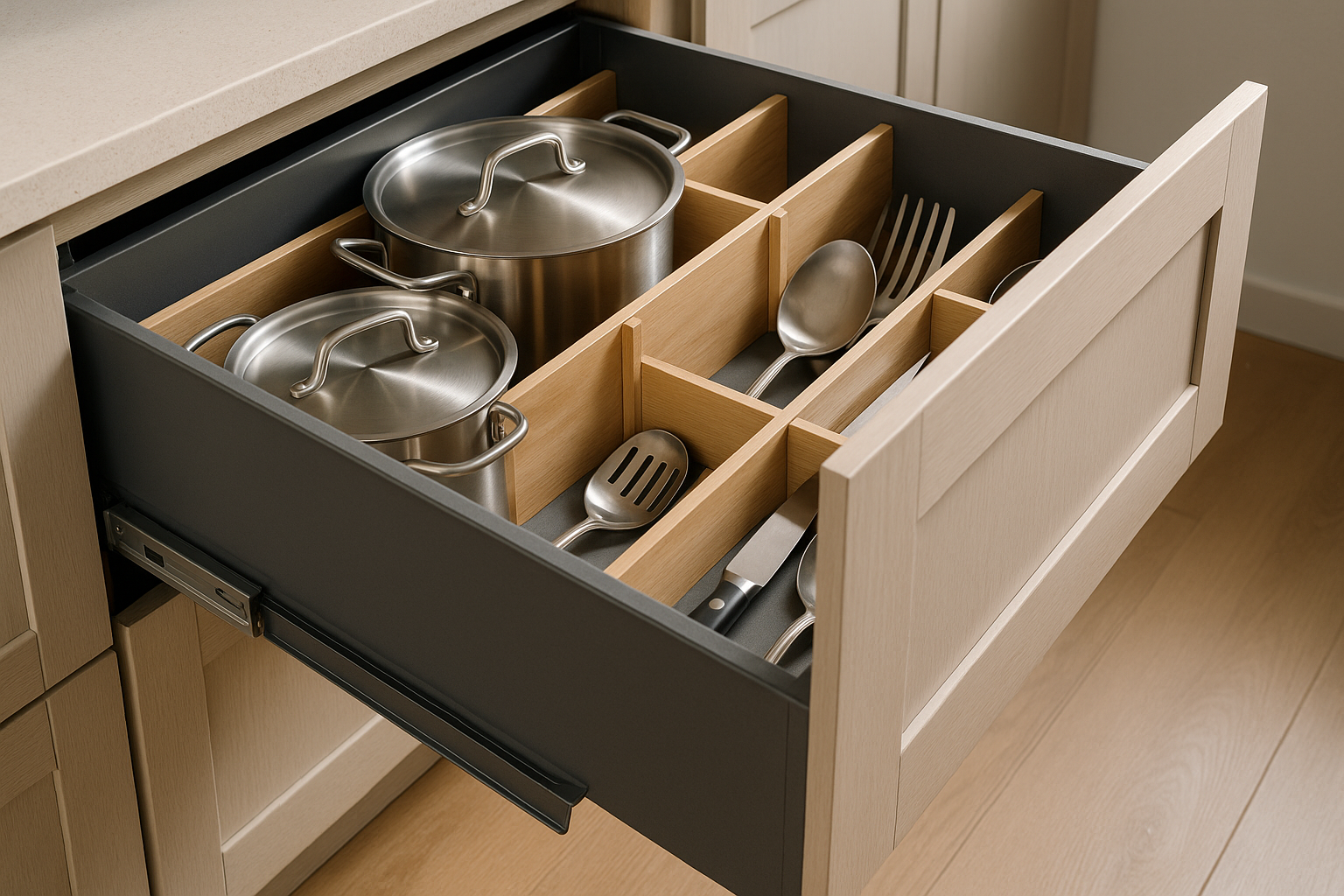
Drawers and internal organisers keep daily items easy to reach.
Before colours and handles, get clear on your day-to-day routine:
- Do you cook most nights, or mostly reheat? Daily cooks need better prep space and ventilation.
- How many people cook at once? Two cooks need wider clearances and fewer pinch points.
- Where does the mess land? Lunchboxes, school bags, pet bowls, coffee gear.
- Do you entertain in the kitchen? Seating changes the island size and traffic flow.
Write a short “must-have” list. Keep it practical: pantry type, bin location, appliance sizes, and how much bench space you need near the cooktop.
Kitchen layout: the part that makes or breaks your design
Most kitchen design concepts look fine in photos. A working kitchen feels easy at 6pm on a weeknight.
The four layouts that suit most homes
1) L-shape
- Great for open-plan living.
- Works well with an island if you have room.
2) U-shape
- Strong for cooks who want bench space and storage.
- Watch that it doesn’t feel closed in.
3) Galley (two runs)
- Excellent workflow in narrow spaces.
- Needs clear walkways so two people can pass.
4) Single wall
- Suits apartments and compact homes.
- Storage planning becomes critical.
A simple rule: keep prep, cooking and cleaning close, without forcing people to walk through your work zone.
The “zones” that make kitchen designs feel organised
Think in zones rather than just cupboards:
- Prep zone: clear bench, knives, boards, mixing bowls, compost.
- Cooking zone: cooktop, oils, spices, utensils, pots.
- Cleaning zone: sink, bins, dishwasher, tea towels.
- Storage zone: pantry, fridge, everyday plates and glasses.
If your dishwasher opens into your main walkway, or your bins end up across the room, the kitchen feels harder than it needs to.
Storage that reduces clutter (and saves your back)
Storage is where great kitchen design ideas turn into real-life calm.
Choose drawers for the items you use every day
For most households, drawers beat cupboards for:
- pots and pans
- plates and bowls
- containers
- small appliances
You see everything at once, and you don’t have to kneel and rummage.
Plan your pantry style early
Pantry choices change the whole run of cabinetry:
- Full-height pantry (cabinetry that runs to the ceiling): best for bulk storage and a tidy look.
- Pull-out pantry: great access, needs quality runners.
- Butler’s pantry: ideal if you want appliances off the main benchtop and you have the room.
For family homes, add a dedicated shelf height for lunchboxes and snacks. It sounds small, but it changes daily life.
Don’t forget the “awkward” spaces
These are the spots that get messy fast:
- corner cabinets (consider corner drawer systems or a good corner solution)
- the area around the fridge (a tall cabinet or panel can make it look built-in)
- overhead cupboards (keep for lighter items if you use them)
Materials and finishes: pick what holds up, not just what photographs well
A kitchen needs to handle heat, moisture, fingerprints, and cleaning.
Cabinet finishes you can live with
Ask yourself: how often do you want to wipe marks off doors?
- Matte/satin finishes hide fingerprints better than high-gloss.
- Textured finishes can look great but take longer to clean.
- Two-pack paint can give a smooth, consistent finish, but treat it well around heat and impact zones.
If you have kids, pets, or busy traffic, choose finishes that forgive everyday knocks.
Benchtops: durability and maintenance come first
Benchtop choice should match your habits:
- If you cook daily, choose a surface that handles heat management and cleans easily.
- If you bake, plan longer clear bench runs.
- If you hate upkeep, avoid surfaces that stain easily or need frequent sealing.
Your designer should also check overhangs and support where seating is planned.
Hardware matters more than most people expect
Good hinges and runners keep doors aligned and drawers running smoothly.
Look for:
- soft-close hinges
- full-extension drawers (so you can reach the back)
- strong runner weight ratings for wide pot drawers
These are the parts you touch every day.
Lighting: the quickest way to make a kitchen feel finished
Most Kitchens need three types of light:
- Task lighting: under-cabinet lights on prep areas.
- General lighting: ceiling downlights or similar.
- Feature lighting: pendants over an island, used carefully.
Avoid shadows on your main prep bench. If your downlight sits behind you, your body blocks the light where you need it most.
Splashbacks: choose for cleaning, not just colour
Splashbacks take the most visible wear. Keep the decision simple:
- Large-format tile or slab means fewer grout lines to scrub.
- Tile gives texture and colour, but grout choice matters.
- Glass is easy to wipe down and looks clean and modern.
If you want help narrowing it down, see our guide to choosing your kitchen splash back.
Timeless kitchen design: how to avoid quick-dated choices
A timeless kitchen design isn’t plain. It’s balanced.
Aim for:
- a simple door profile that suits your home’s architecture
- consistent, calm main colours
- quality tapware and handles you’ll still like in five years
- one or two “hero” elements (splashback, pendants, or timber feature)
If you love bold colour, keep it to items that are easier to change later than cabinetry.
For style examples that still prioritise function, browse modern kitchen designs and ideas.
Kitchen displays and showrooms: how to get value from the visit
Kitchen displays are great for seeing finishes and storage in person. You’ll get more from the visit if you arrive with:
- rough room measurements
- your appliance wish list (including fridge width and height)
- photos of your current kitchen from a few angles
- notes on what frustrates you daily
Open and close everything. Check drawer depth, bin access, and where power points sit.
DIY kitchens vs professional renovation: make the line clear
Search results for diy kitchen renovation and diy kitchens can make a full renovation look straightforward. Some tasks are.
Good DIY jobs
- painting walls
- changing handles
- upgrading a mixer tap (if you use a licensed plumber where required)
- installing shelving outside wet areas
Jobs that need a professional
- moving plumbing, gas, or electrical
- changing the cabinetry layout
- benchtop templating and install
- waterproofing and splashback install in wet areas
DIY kitchen cupboards can work for a laundry or a shed. For a primary kitchen, precise measurement and installation is what keeps doors aligned, gaps even, and appliances fitting properly.
A local note for South East QLD homeowners
Queensland homes often deal with open-plan living, strong natural light, and busy family traffic. Your kitchen design should handle that without constant maintenance.
If you’re comparing builders, renovators, or searching for the best kitchen design Greenslopes and nearby areas, use the same checklist: layout first, storage second, then finishes.
Want to see how these decisions look in a finished home? Read a recently finished kitchen in Brisbane East.
Bringing your ideas into a buildable plan
A strong design process turns ideas for kitchen design into drawings you can approve with confidence.
At Pinnacle Kitchens, we design, manufacture in South East QLD, and install with in-house licensed installers. You also receive 3D rendered drawings so you can see the layout and finishes before anything is made.
If you’re weighing up options, this background helps: Why Pinnacle Kitchens?.
Ready for a kitchen design that fits your home (and your routine)?
If you want clear advice on layout, storage and finishes, book a design consult with Pinnacle Kitchens. We’ll measure, talk through how you use the space, and prepare a plan you can make decisions from.
If you’re considering finance, ask us about 48 months interest-free (T’s & C’s apply).
You can also explore more kitchen design ideas here: https://thepinnaclekitchen.com.au/blog/tag/kitchen-design-ideas/
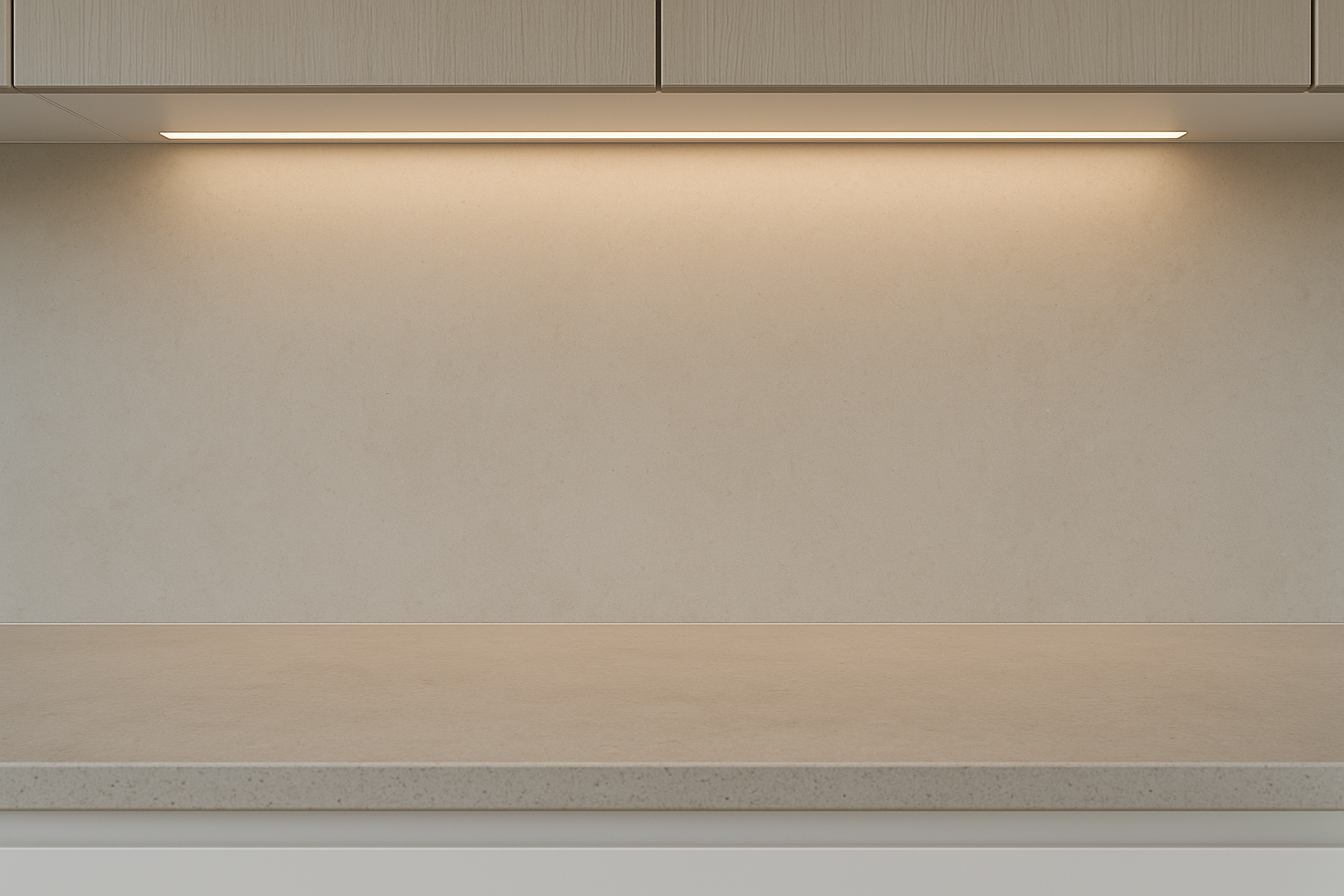
A simple splashback and good task lighting make day-to-day cleaning easier.
Quick FAQs
What are the most important decisions in kitchen designs?
Layout, storage (drawers and pantry), appliance placement, and lighting. Finishes come after the workflow is right.
What’s the biggest regret people have after a kitchen renovation?
Not planning storage and bin locations early, and losing usable bench space near the cooktop and sink.
Is an island always the best option?
Only if it improves workflow and keeps walkways comfortable. In tighter rooms, a peninsula can perform better.
How do I choose between modern and classic kitchen design concepts?
Choose a door profile and colour base that suits your home’s style, then add personality through lighting and splashback.
Can you help if I’m coming in with Pinterest screenshots and “kitchen desighns / kitchen desigms” notes?
Yes. Bring your saved images and we’ll translate them into a practical layout, with finishes that suit your home and cleaning routine.
Do you service the Gold Coast?
Yes. If you’re planning locally, see Building kitchens on the Gold Coast for what to expect.